
Hair
Stem cells vs. hair transplant: which is right for you?
A comparison of regenerative hair therapy and surgical transplant — candidates, recovery, cost, and long-term outcomes.
Read article →



Mesenchymal stem cells and exosomes deliver growth factors directly to dormant follicles — waking them up and triggering new growth cycles where hair has stopped growing.
No scalpel, no strip harvesting, no linear scar. Micro-injections with local anesthesia mean minimal discomfort and zero downtime. Return to your day the same afternoon.
Unlike transplants that redistribute existing hair, stem cell therapy stimulates your body to grow new hair — producing thicker, stronger strands that improve over 6–12 months.
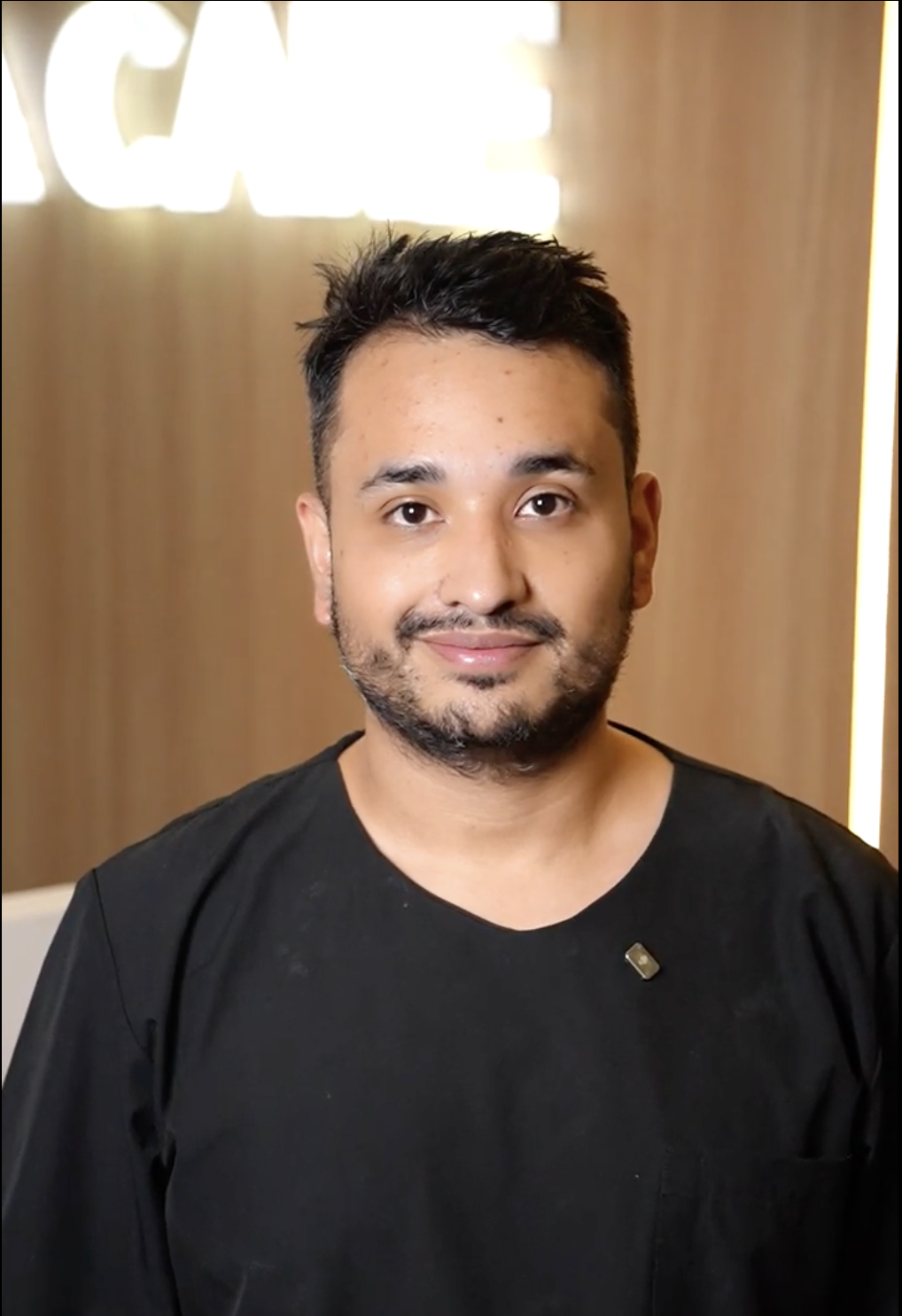
Dr. Julián David Duarte Ortiz specializes in regenerative hair restoration, aesthetic medicine, and functional medicine. His approach combines PRP, exosome therapy, and mesenchymal stem cells in personalized protocols designed for each patient's unique hair loss pattern and goals.
Trained in hair surgery at Universidad Católica de Murcia (Spain), Dr. Duarte brings international expertise to every case. As an instructor at Quantum Academy and Universidad del Tolima, he stays at the forefront of regenerative hair science and teaches advanced techniques to the next generation of specialists.
Stem cell hair restoration is most effective for patients with thinning hair or early-to-moderate hair loss where follicles are still present. Ideal candidates include:
Not sure if you qualify? Our specialist evaluates your scalp and hair loss pattern during a free virtual consultation — before you book any travel.
Book Free Consultation
Mesenchymal stem cells and exosomes work at the follicular level to reverse hair loss — here's what happens beneath the scalp.
Growth factors from stem cells signal dormant hair follicles to re-enter the anagen (active growth) phase — restarting hair production in areas where growth had stopped.
Exosomes deliver regenerative RNA and proteins to the dermal papilla — the command center of each follicle — restoring its ability to produce thick, pigmented hair shafts.
Stem cells promote new blood vessel formation around follicles, improving oxygen and nutrient delivery to hair roots — creating the vascular infrastructure needed for sustained growth.
Anti-inflammatory cytokines calm scalp micro-inflammation linked to follicular miniaturization — the process that causes hair to become progressively finer and eventually stop growing.
Our regenerative hair protocols address the most common forms of hair loss at the follicular level.
The most common form of hair loss in men. Stem cells counteract DHT-driven follicle miniaturization, restoring thickness to thinning crown and hairline areas.
Diffuse thinning across the scalp, often driven by hormonal changes. PRP and exosome therapy stimulate follicle activity and improve overall hair density.
Autoimmune-driven patchy hair loss. Stem cells modulate the immune response at the follicle level, reducing the inflammatory attack and allowing regrowth.
Stem cell therapy improves graft survival rates, stimulates growth in non-transplanted areas, and enhances overall density for transplant patients seeking better results.
Stress, illness, or hormonal shifts can push follicles into the resting phase. Regenerative therapy reactivates the growth cycle and accelerates recovery.
Hair loss from tight hairstyles or scalp scarring. Stem cells promote tissue repair and follicle regeneration in damaged areas where conventional treatments fail.
Our hair restoration protocols combine advanced diagnostics, complementary therapies, and precision stem cell delivery for results that last.
Comprehensive scalp assessment using trichoscopy to map follicle density, miniaturization patterns, and areas of active vs. dormant growth. Virtual pre-consultation available before travel.
Pre-treatment hyperbaric oxygen therapy saturates scalp tissues with concentrated oxygen — boosting cellular metabolism and priming follicles for maximum stem cell absorption.
A targeted intravenous infusion of biotin, zinc, iron, B-vitamins, and antioxidants that supports hair growth from within — providing the nutritional foundation your follicles need.
Precision micro-injections of mesenchymal stem cells, PRP, and exosomes directly into targeted scalp zones. Cells are sourced from our INVIMA-certified laboratory and dosed for your specific hair loss pattern.
Post-treatment scalp care protocol, growth-supporting supplements, and scheduled telemedicine follow-ups with trichoscopy comparison photos to track your progressive results.
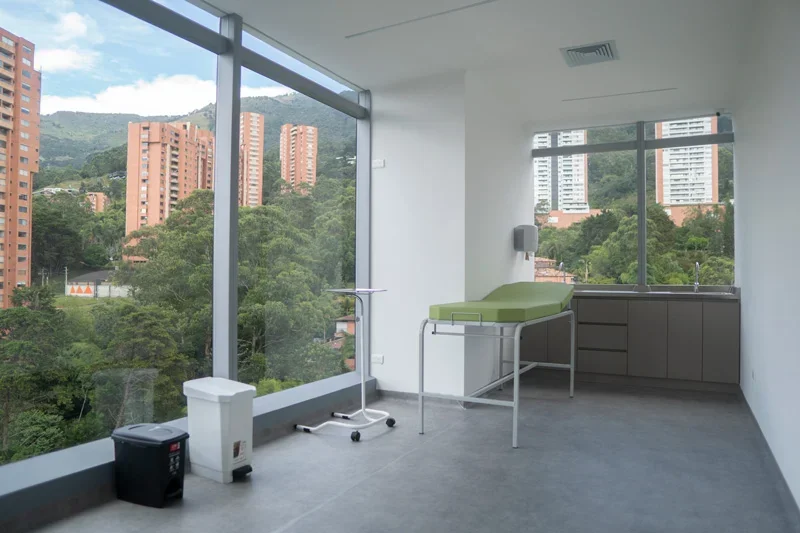
Scalp treatment session with local anesthesia. Mild redness and sensitivity for 24–48 hours. Return to your accommodation same day. Fly home within 3–5 days.
Existing hair shedding begins to decrease noticeably. The treated follicles are entering a new growth cycle beneath the surface. Scalp feels healthier.
Fine new hairs emerge in treated areas. Existing hair begins to feel thicker and stronger. Follow-up trichoscopy via telemedicine confirms early results.
Significant density improvement. New hairs mature into thicker, pigmented strands. Full results continue to build over 12 months. Maintenance sessions extend longevity.
Minimal discomfort. Local anesthesia is applied to the scalp before treatment. Most patients describe the sensation as mild pressure. No general anesthesia required.
Most patients notice reduced shedding within 4–6 weeks. Visible new growth typically appears at 3–4 months, with progressive density improvement over 6–12 months.
Stem cell therapy works best when dormant follicles are still present beneath the scalp. Completely bald areas with no remaining follicle structures may have limited response. Our specialist assesses your candidacy during the free consultation.
Hair transplants surgically relocate existing hair follicles. Stem cell therapy stimulates your body to grow new hair — reactivating dormant follicles and thickening existing strands without surgery, scarring, or donor-area depletion.
Yes. Our protocols are effective for both male-pattern and female-pattern hair loss, as well as post-partum thinning, hormonal shedding, and stress-related telogen effluvium.
Most patients achieve strong results with 1–3 sessions spaced 4–6 weeks apart. Our specialist designs a personalized plan based on your hair loss severity and goals during your free consultation.
Treatment costs 50–70% less than comparable procedures in the US. Contact us for a personalized quote based on your hair loss pattern and treatment plan.
Absolutely. Many patients use stem cell therapy to enhance transplant results — improving graft survival, accelerating growth in transplanted areas, and increasing density in surrounding non-transplanted zones.
A comparison of regenerative hair therapy and surgical transplant — candidates, recovery, cost, and long-term outcomes.
Read article →What to expect from consultation to recovery — flights, cost, protocols, and aftercare.
Read article →A transparent breakdown of what drives the price difference — and what stays the same.
Read article →